



01
Long-running work
Agent systems are moving beyond prompt-response loops into workflows that pause, resume, retry, branch, and leave operational history behind.
dbzero
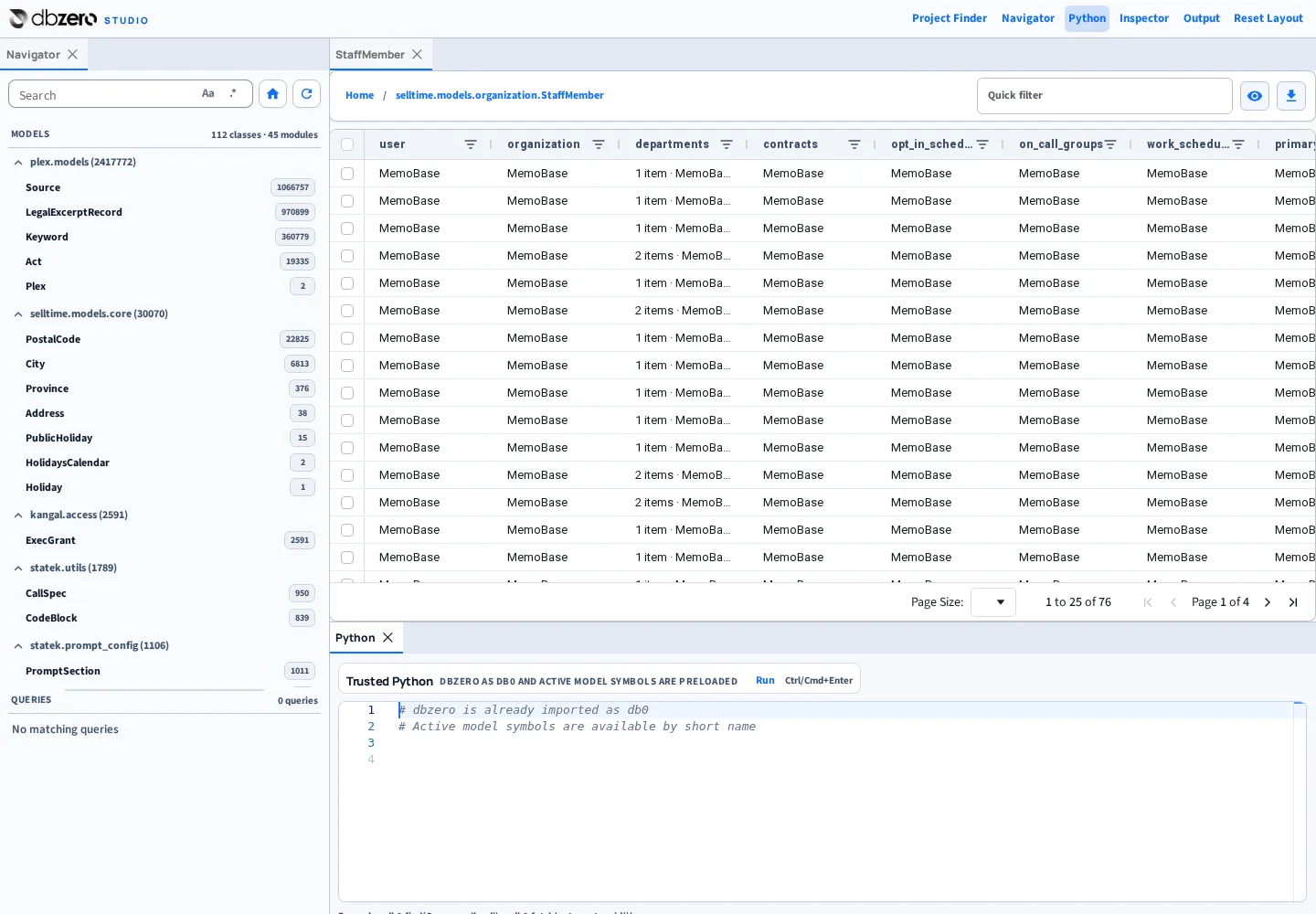
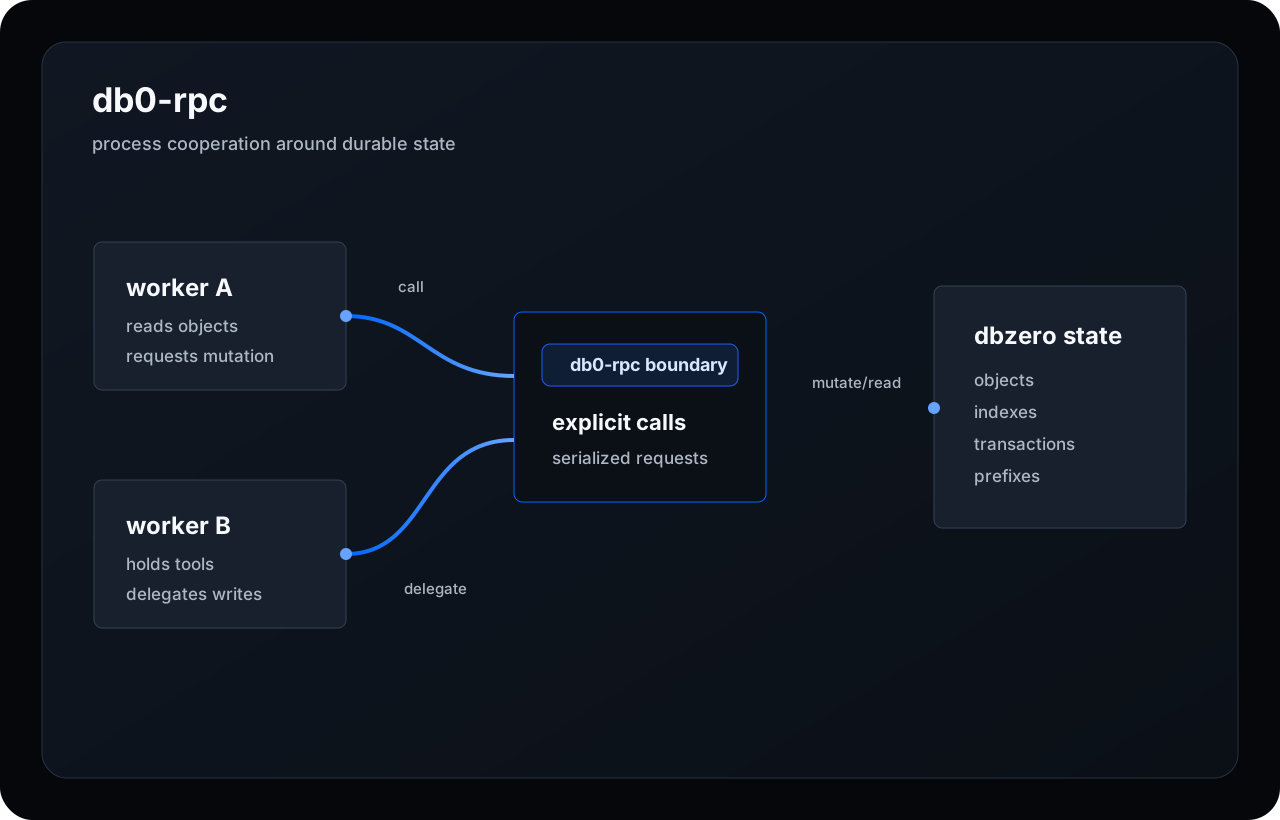
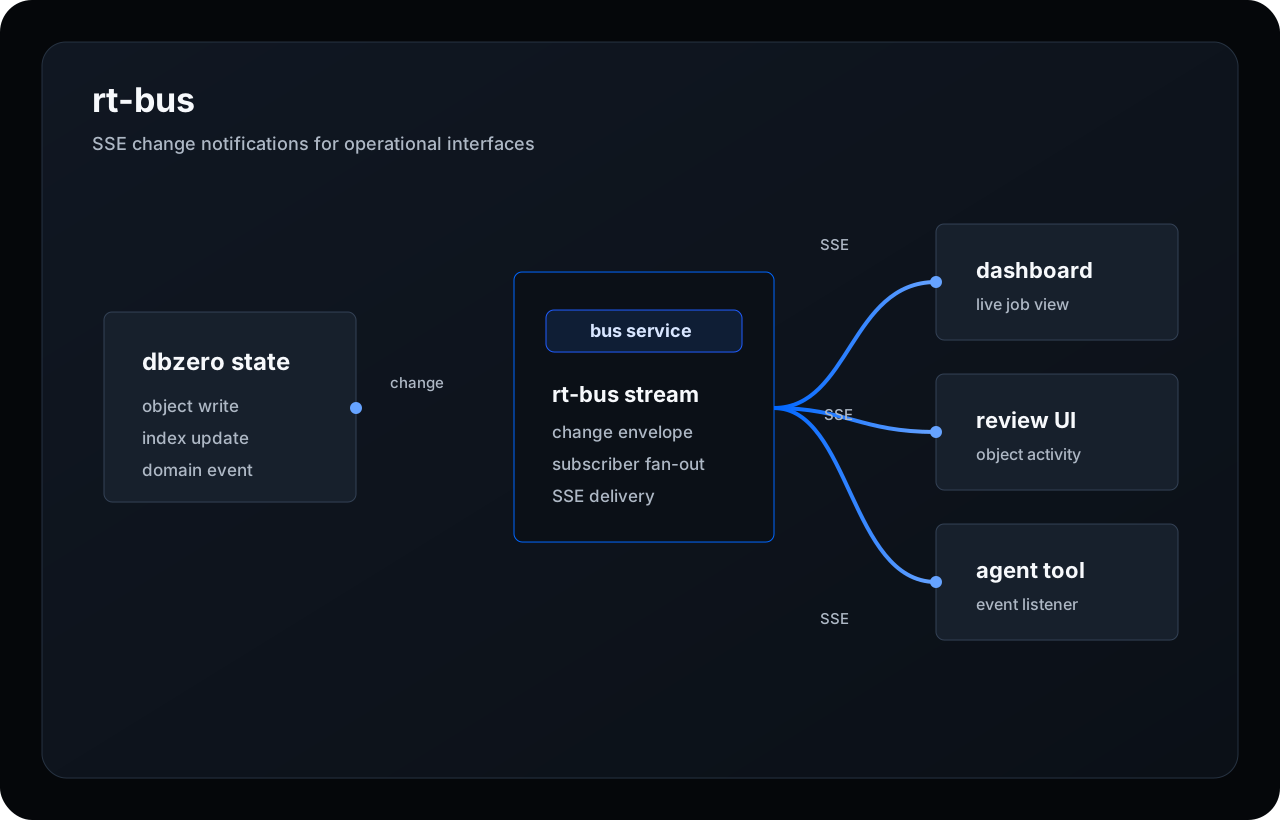
dbzero gives Python applications durable object state, indexes, snapshots, inspection, and process cooperation.
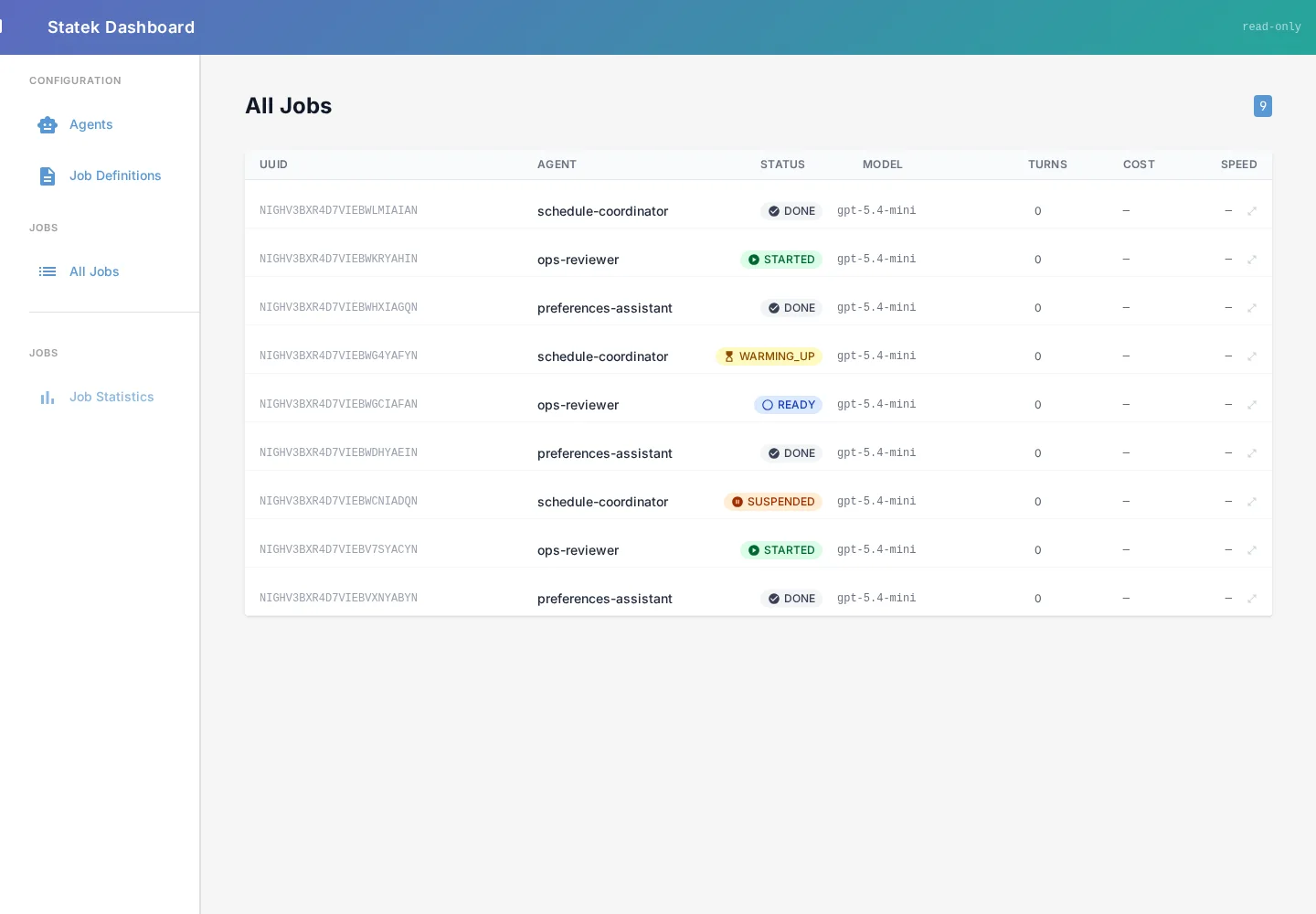
STATEK gives agents a controlled Python workspace inside the codebase, so they can work with real application objects without a separate API, CLI, or MCP surface for every action.
Agent-first applications
dbzero keeps product state close to the Python objects your application already understands. STATEK lets agents work in that same codebase through a controlled Python workspace, so teams can build durable workflows without wrapping every action in a new API, CLI, or MCP layer. The result is agent work that can collaborate, pause, resume, leave an auditable trace, and stay open to human review.
Category thesis
dbzero is built around the shift from short-lived AI demos to durable, inspectable systems that operate over real domain state.
Agent systems are moving beyond prompt-response loops into workflows that pause, resume, retry, branch, and leave operational history behind.
Those workflows need recoverable Python objects, inspectable execution state, process cooperation, and data models that survive across runs.
As agents move into richer technical domains, the useful substrate becomes domain-shaped software infrastructure, not only generic storage or chat memory.
Data-rich domains
Traditional software often has to squeeze domain knowledge into the database shape already available: tables, documents, vectors, graphs, queues, or files.
dbzero changes the center of gravity. The familiar storage buckets stop being the boundary; durable Python object models can become the working substrate, so agents operate over domain representations directly instead of only over rigid schemas or external projections.
01 / 04
Rules, obligations, citations, and exceptions as inspectable models agents can reason over.
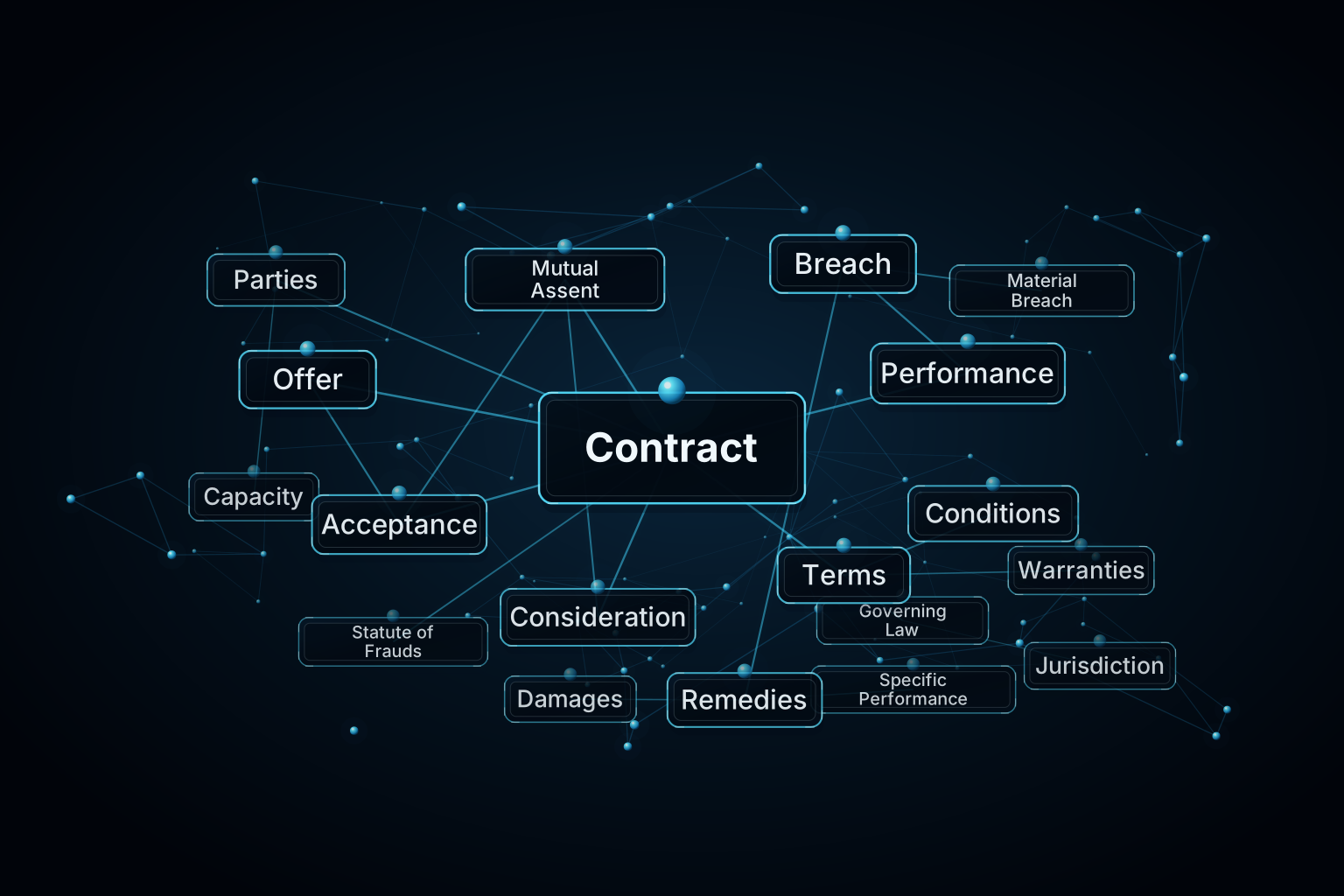
* Examples of possible durable model shapes. These are ecosystem directions, not vertical product claims.
Why this exists
It is letting agents work where the application already has meaning: inside Python code, durable internal state, and the review paths humans can inspect.
A more natural substrate can reduce translation overhead: fewer schema detours, fewer tool calls, less context spent explaining state, and better room for the model to reason over the actual system.
Useful agents do not finish inside one prompt; they create intermediate state, decisions, and dependencies.
Memory, tool results, indexes, artifacts, costs, and audit history need durable homes.
Humans need to see what happened, validate outputs, and recover from partial work.
Python's broad public codebase and AI ecosystem make it a natural substrate for agents: objects, functions, and application logic.
Instead of translating everything through external database state, an agent can operate near the internal representations the software already uses.
Embedded agent loop
Internal state stays close to the Python representation agents can reason about.
class AgentState:
task: TaskPlan
evidence: list[Artifact]
snapshots.append(run)
indexes.update(result)
Codebase
Python objects and functions
Agent work
Runs inside the application shape
Internal state
Durable representation, not a projection
Inspection
Humans review traces and artifacts
Recovery
Resume from known state
Product gallery
dbzero
dbzero lets Python teams work with durable domain objects directly, without constantly translating between app code, database schemas, cache layers, and recovery logic.
Read dbzero docs ->Your application memory becomes the durable model.
Tags and indexes keep objects organized without forcing everything through tables.
Snapshots and change views make history inspectable.
Built-in efficient caching keeps state close without a separate cache-consistency project.
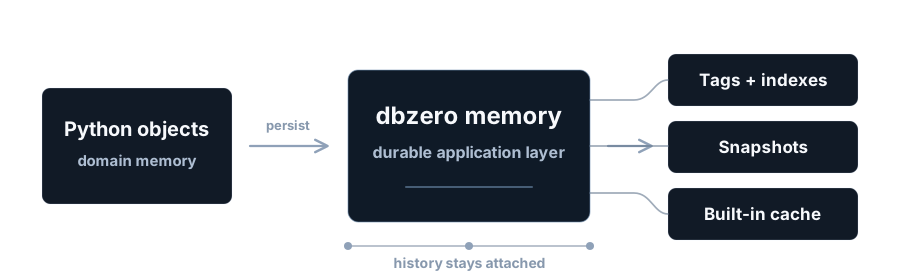
Showing dbzero
Security & sandboxing
STATEK gives agents a durable Python workspace that runs model-written code through restricted mode by default. dbzero restricted mode narrows what agent-visible objects expose, while the host application still owns authorization, secrets, tenant boundaries, resource limits, and external side-effect policy.
Sandboxing is a defense layer, not a complete production security boundary. Applications still need explicit permissions, process isolation, resource limits, audit logs, and operational controls.
STATEK limits model-written Python, imports, builtins, source size, AST size, and hidden tool access unless explicitly allowed.
Agents can work inside a request, tenant, account, role, or user context instead of receiving broad access to application state.
Protected fields and data filtering predicates add field-level masking and object-level filtering for dynamic authorization contexts.
Contact
We are interested in long-running agent systems, durable Python workflows, inspection surfaces, and domain data that does not fit neatly into prompt-response plumbing.